


Military ISR Applications
Military video architecture fails when the codec does not fit the mission. The real decision is not which codec is newer. Which one best fits the platform’s link budget, latency tolerance, metadata path, interoperability requirements, and SWaP limits?
H.264 remains the baseline across much of military full-motion video because it is deeply tied to established FMV workflows and legacy exploitation infrastructure. H.265 improves compression efficiency and becomes more valuable as ISR programs push more resolution and more data through constrained links. JPEG-XS fits a different class of problem where ultra-low-latency, visually lossless transport matters more than maximum bitrate reduction.
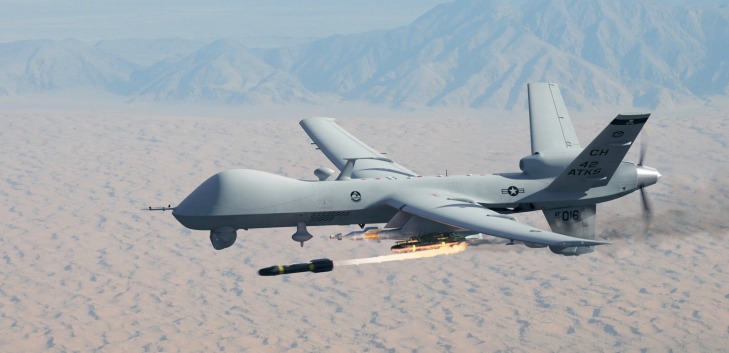
Why H.264 still matters
H.264 is still the safer choice when a program depends on mature interoperability and compatibility with established FMV ecosystems. It remains a practical fit for missions where the priority is stable transport and broad downstream support rather than the most aggressive compression gain.
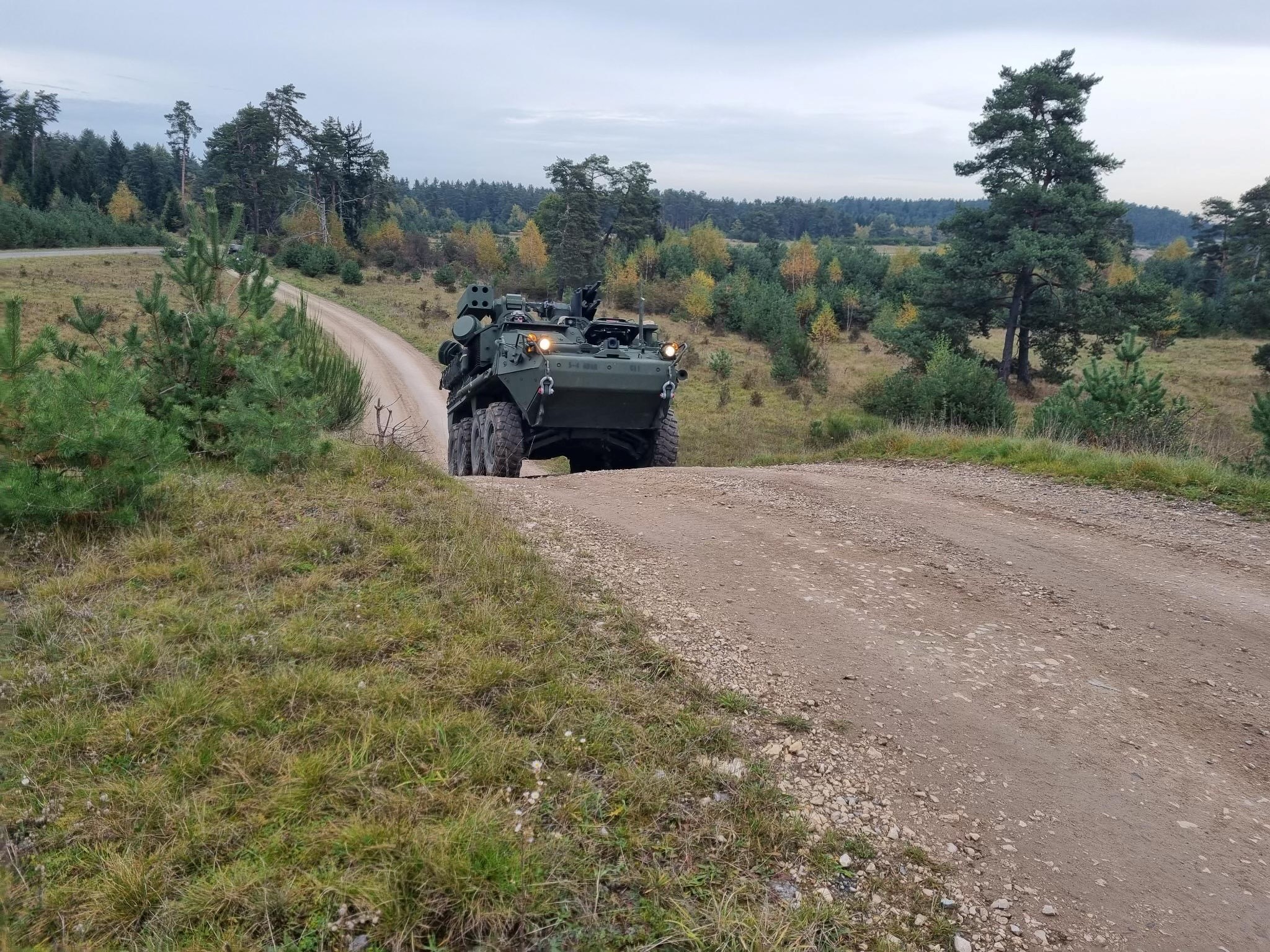
Why H.265 is gaining ground
H.265 matters when bandwidth is the limiting factor. If the mission needs to move higher-resolution video, preserve quality at lower bitrates, or create more room inside existing tactical links, H.265 is usually the stronger engineering path.
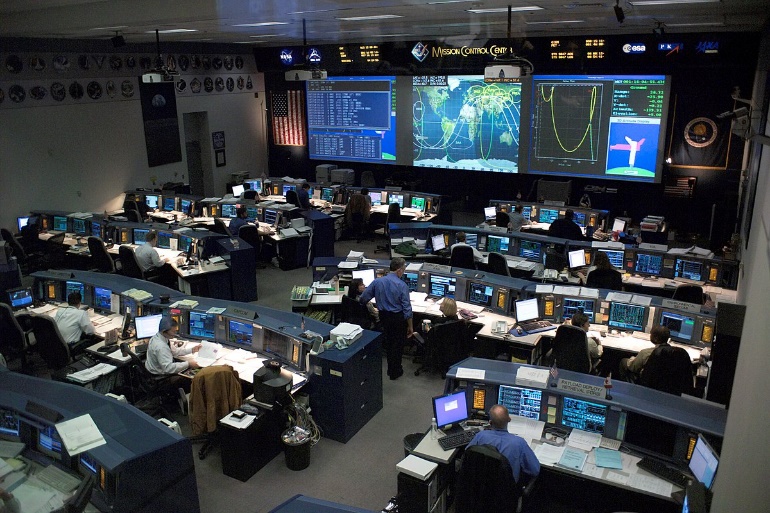
Where JPEG-XS fits
JPEG-XS is not a universal replacement for H.264 or H.265. It is a low-latency transport option for applications where deterministic timing and visual fidelity matter more than squeezing the stream as hard as possible.
How to choose the right codec
If the priority is legacy FMV compatibility, H.264 is usually the best fit. If the priorities are bandwidth efficiency and future growth in ISR transport, H.265 is the stronger option. If the priority is ultra-low-latency transport for control-sensitive or feedback-loop applications, JPEG-XS is the right tool.
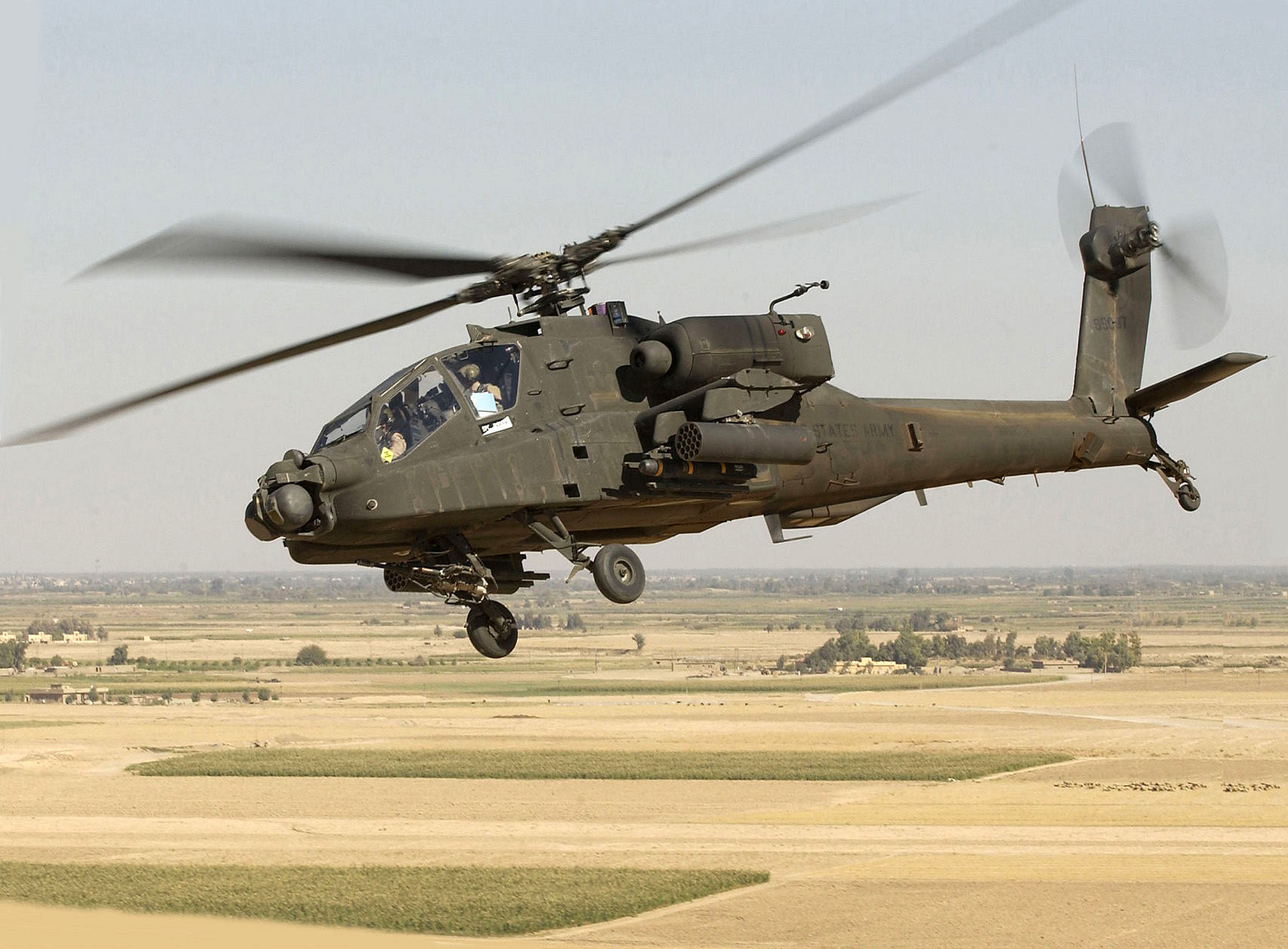
7840R
The Model 7840R 4-Channel H.265 Video Encoder is designed for real-time ISR and telemetry video transmission. Supporting up to four simultaneous HD video channels, the rugged encoder delivers high-quality H.265 compression, metadata multiplexing, and efficient bandwidth utilization for constrained network environments. The 7840R also supports H.264 for compatibility with legacy infrastructures while providing a scalable path to modern H.265 workflows.
7805R
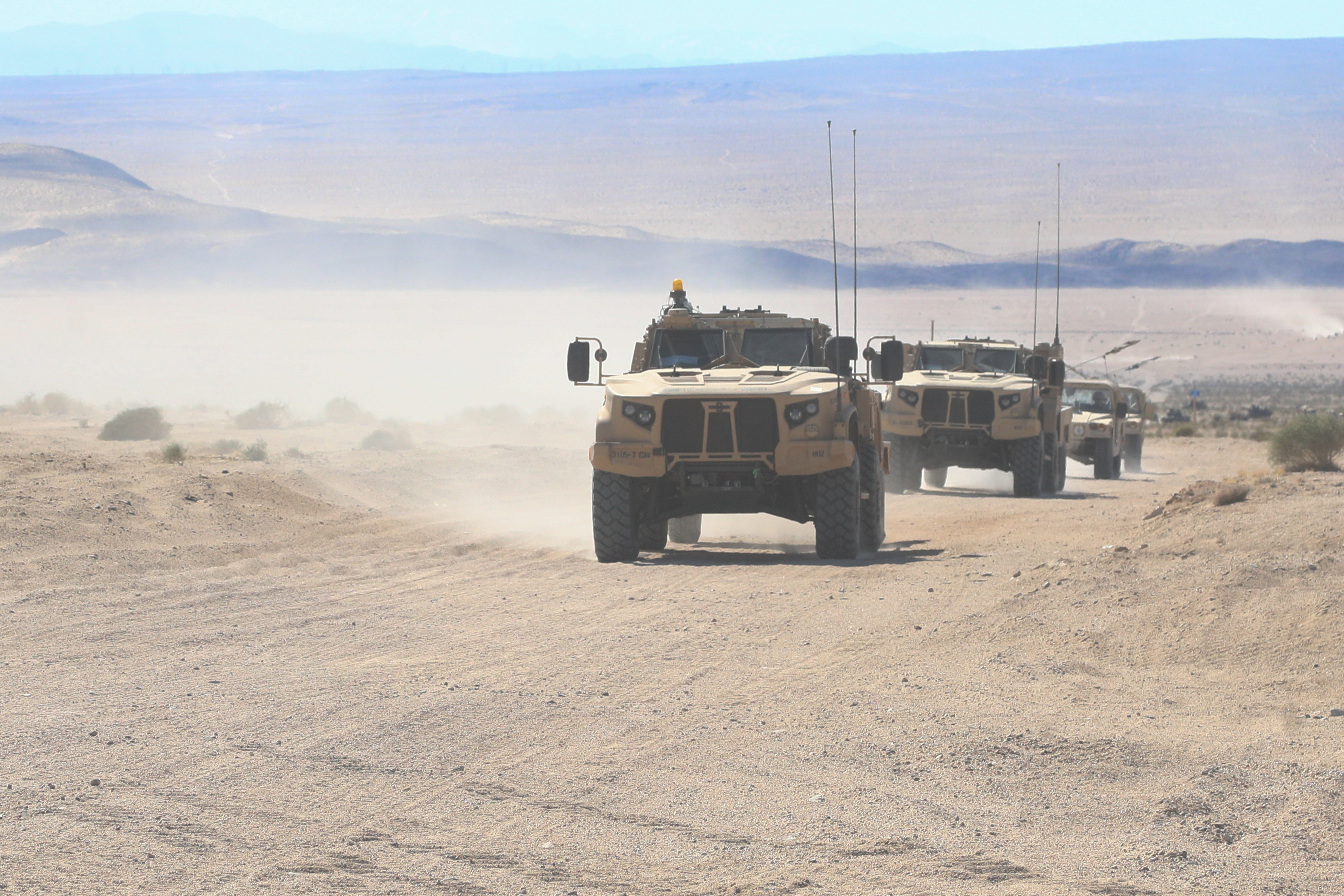
Delta’s Model 7805R H.265 HD/SD Video Encoder provides for the transmission of full-motion video for ISR applications. Designed for operation in harsh environments, the 7805R is a rugged, compact unit with all the features of Delta’s MISB/JITC certified video encoder products. These include, standardscompliant video compression, KLV metadata processing, and transport stream multiplexing.
7825R
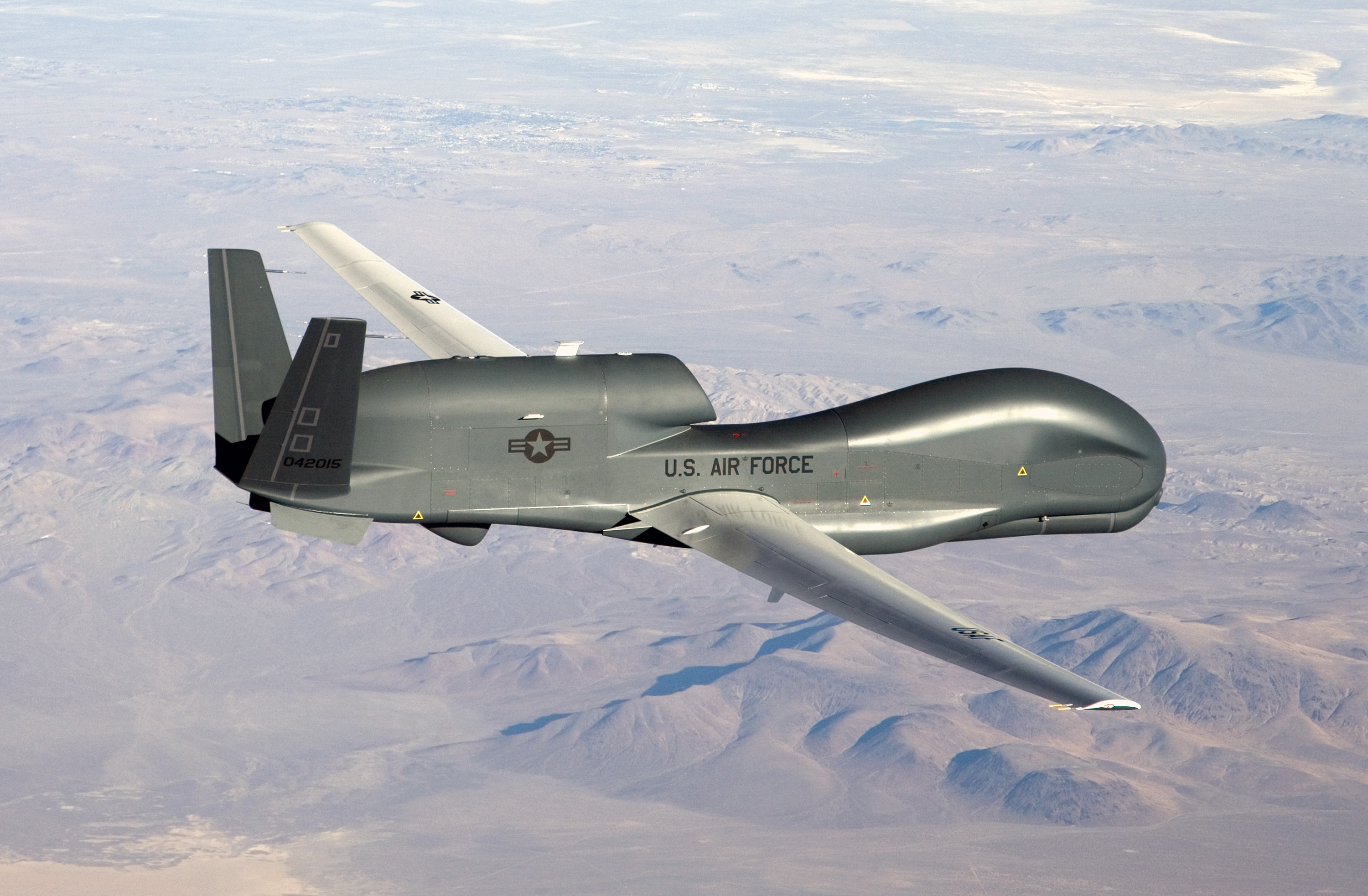
Delta’s Model 7825R is a rugged, compact H.265 video encoder designed for dual-channel ISR video transmission in harsh environments. It features standards-compliant compression, KLV metadata processing, transport stream multiplexing, and support for H.265 and H.264 workflows.
Built for airborne, ground, and shipboard platforms, the 7825R delivers efficient low-bandwidth video transmission with flexible configuration options, MISB/STANAG compatibility, and support for SRT and PCM outputs.
FAQs
What is the best codec for military ISR video?
Is H.265 better than H.264 for UAV video?
Where does JPEG-XS belong in ISR video?
Build the Right ISR Video Workflow
Whether the priority is compatibility, bandwidth efficiency, or ultra-low latency, DDV helps teams align codec choice and video architecture with the mission.
Talk to our team about the right fit for your ISR program.